
Five takeaways from the 2026 Agri and Agri-Aqua Tourism Summit.
What does it take to turn a working farm into a commercially successful and viable visitor experience without compromising the very thing that makes it special?
That question was at the heart of the 2026 Agri and Agri-Aqua Tourism Summit, where farmers, tourism operators, industry representatives and government came together to explore the opportunities and realities of agritourism.
Having worked with agritourism businesses across Australia for more than a decade, much of the conversation reinforced what we see on the ground: the opportunity is significant, but success requires more than simply opening the farm gate.
Here are five takeaways to consider if you are a farmer looking to diversify into or expand your agritourism venture.
1. More value, not necessarily more visitors
Sheridan Beaumont's journey with Sydney Oyster Farm Tours demonstrated what happens when a farmer turns existing knowledge, produce and place into a premium experience. Agritourism has transformed the economics of a farming business.
What began as a small boat tour evolved into a successful tourism business, now also expanding into Brisbane Oyster Farm Tours. Faced with disease outbreaks, flooding and significant losses in oyster production, tourism provided an alternative income stream that helped sustain the farming operation.
Central to Sheridan's success was creating a distinctive, premium experience. Visitors don't just taste oysters. They meet the farmer, learn about aquaculture, harvest and shuck oysters and enjoy an unforgettable in-water dining experience.
With experiences ranging from a boat tour to in-water dining, Sheridan demonstrated the commercial potential of micro-luxury: experiences that deliver exceptional value without relying on high visitor volumes.
The lesson is to focus on increasing the value of each visitor through memorable, well-priced experiences, rather than simply attracting more people through the farm gate.
2. Think long term, deliver in stages
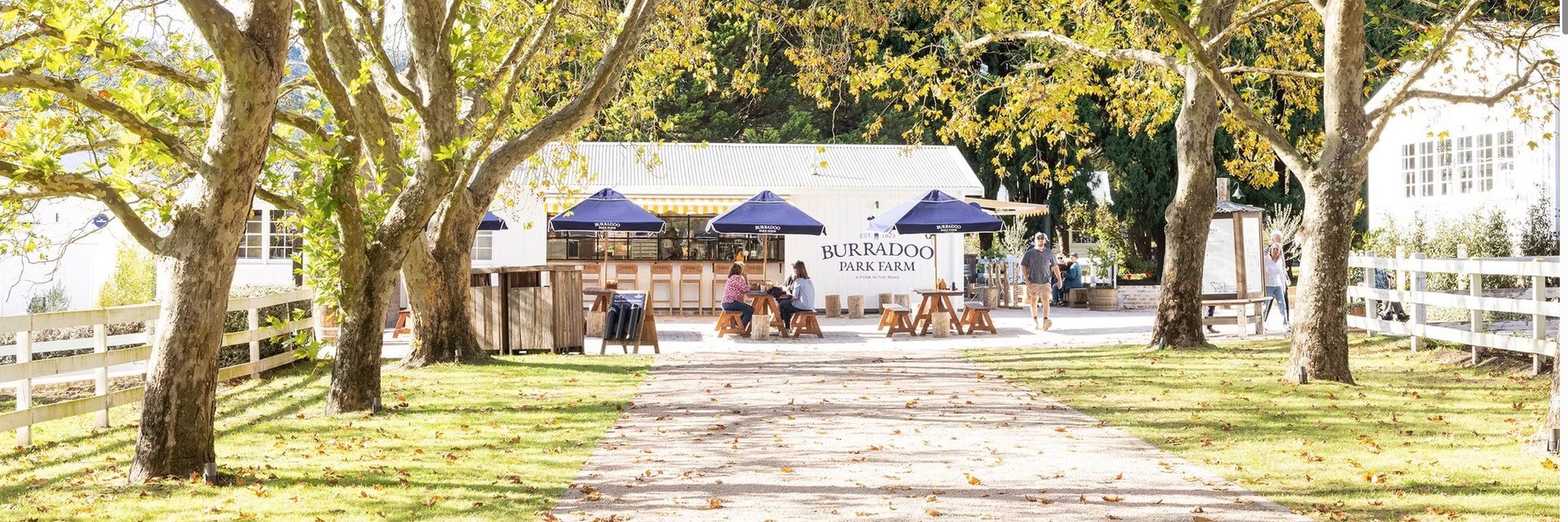
Burradoo Park Farm demonstrated how agritourism can be part of a much bigger vision for a working farm and its community.
Rather than developing a standalone visitor attraction, the ambition is to create a connected precinct bringing together agriculture, education, food, hospitality and community experiences. A place where people can connect with farming, learn about food production and participate in rural life.
Their pragmatic approach to implementation is important to note. Hold onto the long-term vision, but deliver it in manageable stages, testing demand, learning what works and building the infrastructure and operational capacity over time.
It's a valuable reminder that successful agritourism can create more than a visitor experience. It can become a community hub that strengthens connections between farmers, residents, businesses and visitors.
3. Make agritourism easier, not just more attractive
One of the strongest discussions centred on the gap between governments encouraging agritourism and the regulatory barriers farmers face.
Planning approvals, land tax, insurance and inconsistent interpretations of legislation can make diversification commercially difficult, especially with differences across each state.
A particularly interesting proposition raised by moderator Linda Tillman of Tilma Group was whether agritourism, when genuinely ancillary to farming, could be recognised as a form of primary production.
We need policy settings that support agricultural businesses to create additional value while protecting productive farmland.
4. The next generation wants experiences worth leaving home for
Scott Millar's presentation on Gen Z and Gen Alpha challenged some common assumptions about younger travellers. Despite growing up in an increasingly digital world, these generations are seeking meaningful, real-world connections and experiences that offer something different.
Wellness, nature, digital detox, unique activities and opportunities to connect with people are shaping their travel decisions. Scott highlighted that 83% of Gen Z travellers prioritise unique experiences over popular tourist attractions, creating significant opportunities for regional destinations and agritourism businesses.
What's also changing is how they discover and book experiences. Rather than following a traditional booking journey, younger travellers move between TikTok, Instagram, recommendations from friends, online reviews and AI tools to plan and book their trips.
For agritourism operators, this means creating experiences with a clear point of difference, making them easy to discover and giving visitors something worth sharing. Scott also reinforced the importance of showing the people behind the farm, rather than relying solely on polished marketing.
The opportunity isn't about chasing the latest social media trend. It's about understanding what motivates the next generation and creating authentic experiences they want to discover, experience and share.

5. Enthusiasm isn't the same as demand
Perhaps the most important commercial reminder of the day. Farmers are entrepreneurial, resourceful and full of ideas. But an exciting concept doesn't automatically translate into paying customers.
Understanding your market, pricing for profit, managing capacity and protecting the core farming operation must come before significant investment.
Start small. Test demand. Understand the costs. Then grow.
Where to from here?
Agritourism offers an opportunity to strengthen farm businesses, connect consumers with agriculture and keep more visitor spending in regional communities.
But the best opportunities won't necessarily come from building something new. They'll come from recognising the value of what already exists and finding commercially sensible ways to share it.
For farmers, that means making informed decisions about whether tourism is right for their business.
For governments and destinations, it means removing unnecessary barriers and providing the right support.
And for those of us working in agritourism development, it's a reminder that our role is to help farmers create businesses that work for them, not simply experiences that attract visitors.
Successful agritourism should strengthen the farm, not become another burden on it.
At Sparrowly Group, we work with farmers, tourism businesses and destinations across Australia to develop commercially viable agritourism experiences, strengthen business capability and support regional visitor economies. Learn more about our agritourism services here.