The closing Great Debate at the 2026 National Economic Development Conference in Hobart asked a blunt question: if Amazon called tomorrow, would you say yes? Two teams argued it hard, and both finished closer together than the motion suggested.
Sitting in the audience, this debate sharpened a view we bring to regional clients. The question of this debate matters less than whether a council can answer it well before the phone rings.
The call is the scorecard
Global investors do not ring places at random. They ring places that already look ready: serviced industrial land, a planning scheme investors can read, a workforce pipeline and a council that decides within a development timeframe. If the call comes, someone has already scored you.
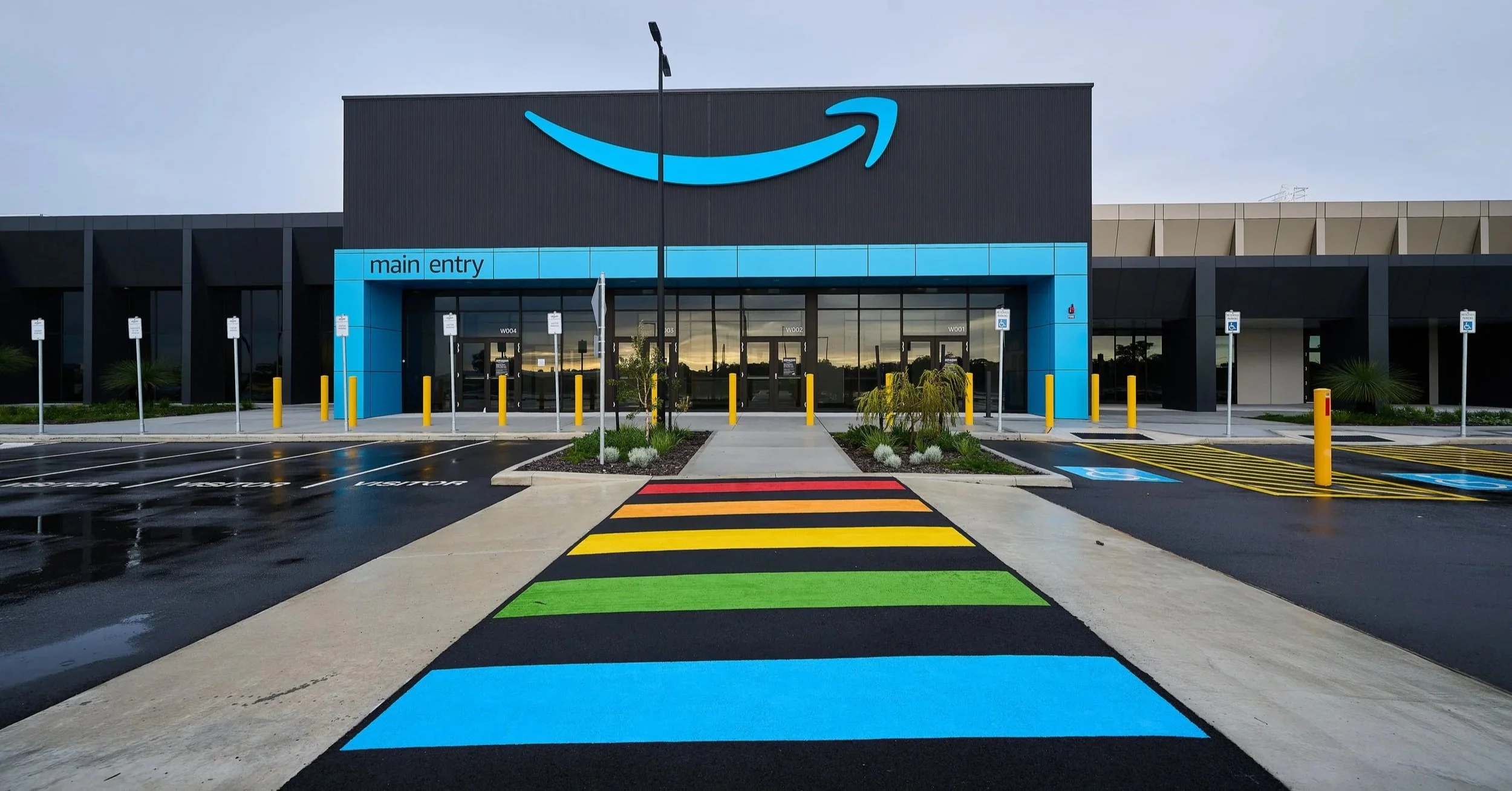
Logan City Council shows what a ready place can attract. Council announced a $750 million Amazon fulfilment centre at Flagstone, with about 2,000 construction jobs and 1,000 permanent jobs, due to open in 2028.
Saying no is still a decision
The affirmative team made a plain point. Investment does not disappear when a council declines. It lands in a neighbouring council area, with its rates, jobs and supply chain. The community pays for a no, but quietly.
The case for caution is strong
The negative team deserved equal weight. Road, water and grid upgrades can fall on ratepayers while profits leave the region. Robotics changes how many people a facility needs. A large distribution centre can also pull customers from main street retailers.
History supports that caution. The 2017 HQ2 tender drew 238 bids from places that offered incentives before they knew the terms. Foxconn promised up to 13,000 jobs in Wisconsin and delivered a fraction. Seattle passed a head tax on large employers to fund housing, then repealed it within a month after Amazon opposed it.
Both teams landed on terms, not ribbon cutting moments
Neither team argued against investment. Both argued against a bad deal. Reflecting on these and put together their arguments make a five-point term sheet:
No cash handouts.
Local procurement, workforce pipelines and First Nations participation written in, measured and published.
Renewable energy supply, funded network upgrades and managed water.
Protected worker and last-mile supply chain conditions.
Infrastructure contributions that leave roads and substations in better shape.
The Tasmanian Government made the same move in the same week. The Premier of Tasmania, Jeremy Rockliff set six expectations for major artificial intelligence and data centre developments:
pay their own way
grow renewable supply
locate in industrial precincts
protect consumers
contribute to a community benefit fund and
report water and energy use every quarter.
Specifically, Tasmania welcomes investment, provided host communities share directly in the benefit.
What to do before the phone rings
With that in mind, there are five steps we suggest for any council or regional organisation:
Score your readiness honestly against land, planning, workforce and decision speed.
Agree principles for major investment while no proposal sits on the table. Decisions made calmly are better decisions.
Write down your terms, using the five points above as a starting position.
Check every claim at its source. Ring the council that did the deal and ask what happened after the announcement.
Commit to publish outcomes, including jobs, local procurement and infrastructure delivered.
Councils that do this work can say yes with confidence, say no with reasons, or say yes on their own terms. All three beat an unplanned response.
At Sparrowly Group, we help councils and regional organisations build investment attraction strategies that start with the community outcome.