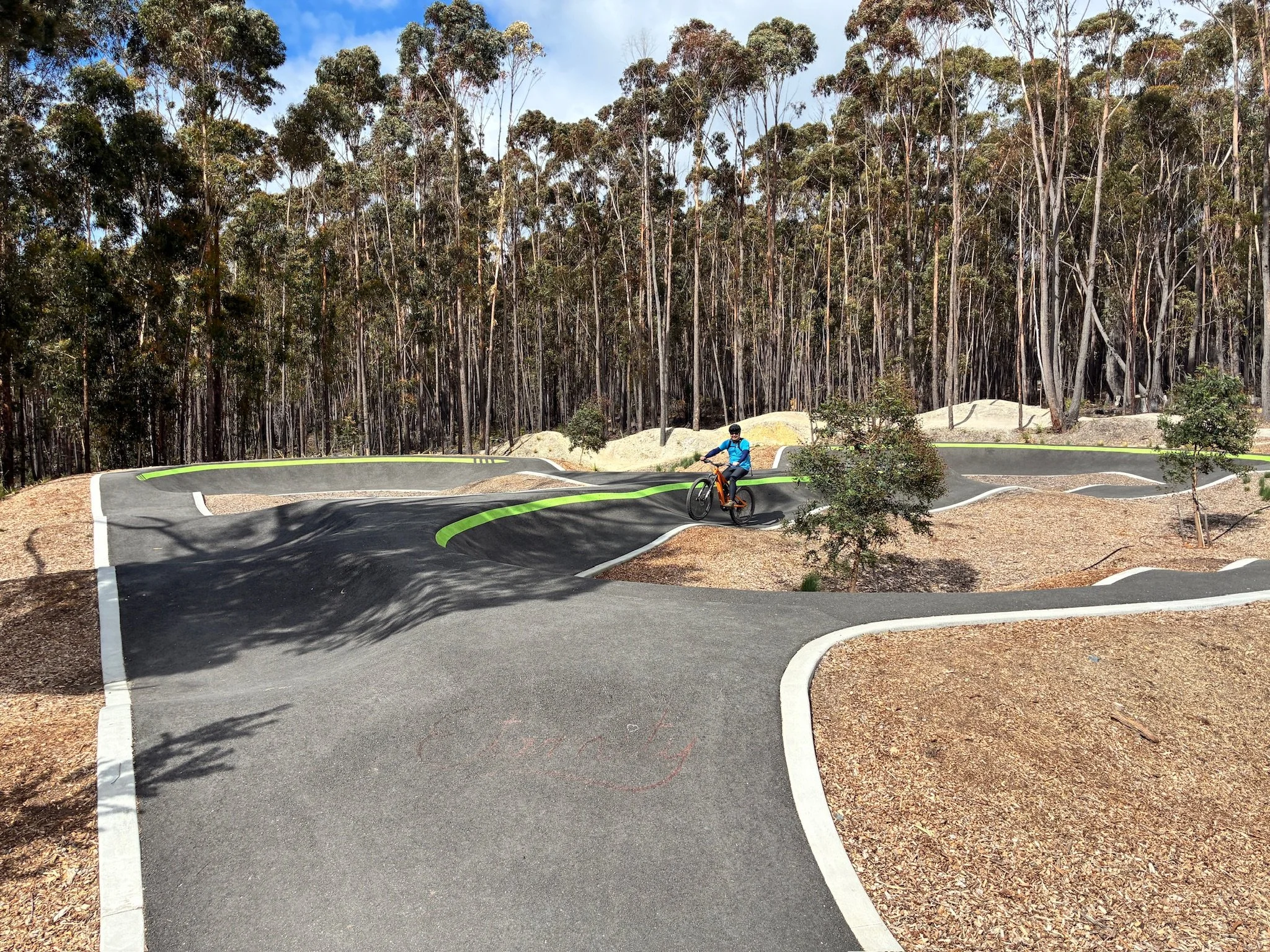
A new trail brings visitors. Whether it brings lasting benefit depends on who supplies, employs and owns what those visitors use and buy.
Economic developers call this community wealth building. This post explains the term, then uses trails to show how it works in practice.
What community wealth building means
Community wealth building is an approach to economic development that keeps the wealth a place generates circulating in that place, with control and benefits resting in local hands. The Centre for Local Economic Strategies (CLES) in the United Kingdom describes five pillars:
plural ownership of the economy, through co-operatives, social enterprises and community-held assets
making financial power work for local places
fair employment and just labour markets
progressive procurement of goods and services
socially productive use of land and property.
Traditional economic development chases outside investment. Community wealth building asks a different question: of the money already moving through a place, how much stays?
Preston in England put this into practice. Anchor institutions such as the council, police and a university changed how they bought. Over five years from 2012/13, the share of their spend retained in Preston rose from 5% to 18.2%, an extra £74 million.
Where trails fit
Trails are public assets that generate private spend. Hikers, riders and horse riders buy food, accommodation, hire and guiding, while a council or land manager carries the cost of the trail itself.
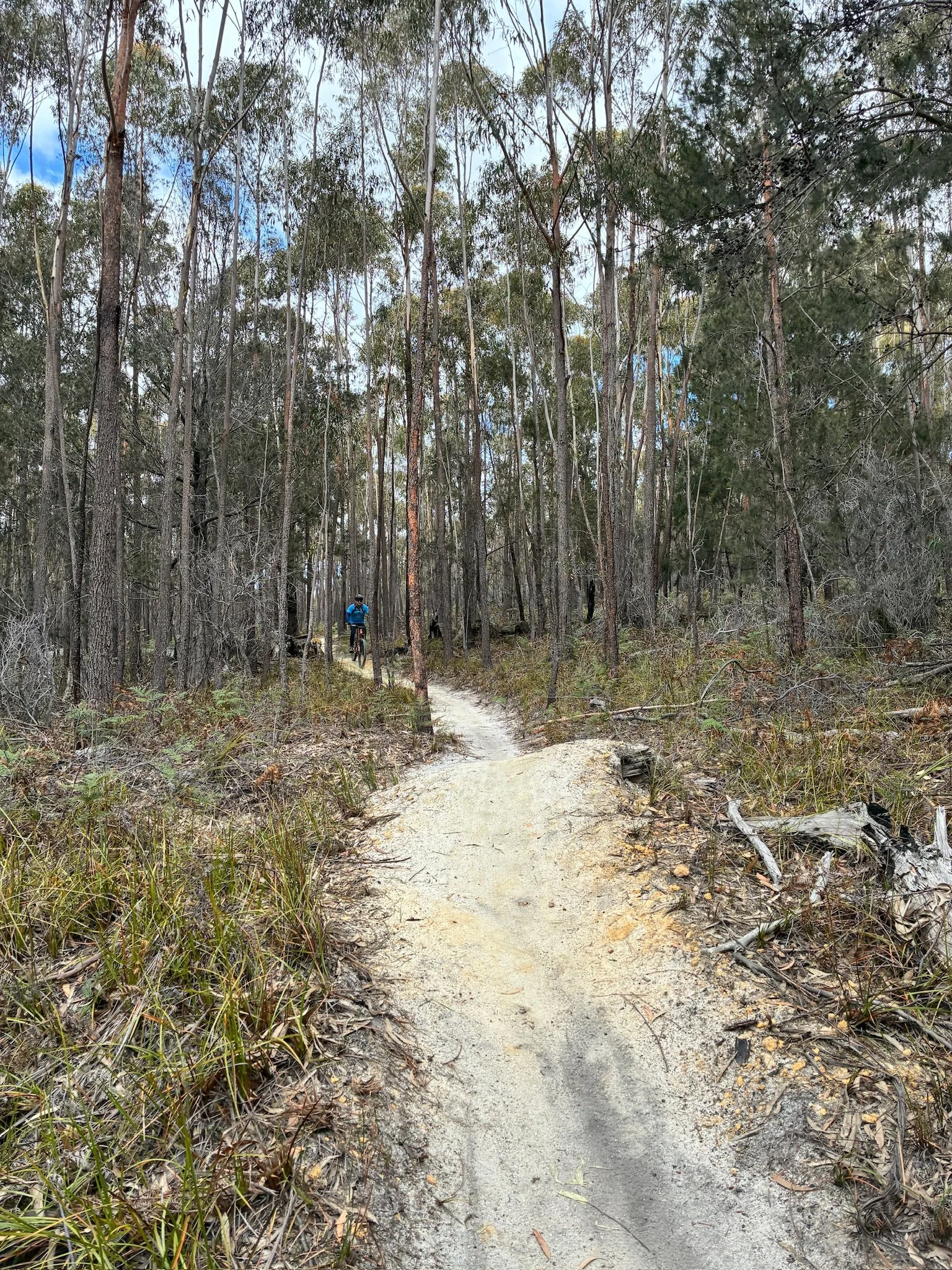
Blue Derby in Tasmania shows both sides. Governments invested $3.25 million in the original build. A 2025 report commissioned by Dorset Council found mountain bike visitors spend $50.9 million a year and support 274 full-time equivalent jobs across Tasmania. Meanwhile the council funds most maintenance, which Flow Mountain Bike reported in 2024 at around $750,000 - $850,000 a year.
Derby's local response is instructive. The Blue Derby Foundation encourages accommodation providers to use a local booking platform, so fees stay in the region. It places card-tap donation points at registers and takes a share of local merchandise sales that use the brand. Each is a financial power or ownership lever.
Four lessons for trail communities
Fund the trail as infrastructure. Trail facilities rarely cover their costs early on, and few grants cover maintenance. Plan the operating subsidy before opening day, as Dorset Council has.
Decide who operates it before finalising the design. A council, a community group or a partnership each changes what the building needs and what the business plan must show. Volunteers carry a great deal: the Atherton club estimates 600 - 800 hours a year on trail maintenance alone.
Buy local first. Offer hire, guiding and food concessions to local operators before outside ones. Overnight visitors spend more than day visitors, so local accommodation and food matter as much as the trail. Places such as Jarrahdale in Western Australia, where equine trails, Kitty's Gorge and a heritage precinct already sit beside local cafes and guided heritage walks, face this choice as investment arrives.
Build local skills into the work. Atherton's new traineeship program, funded through Skilling Queenslanders for Work, pays disadvantaged job seekers aged 17 - 24 to learn trail maintenance and earn a conservation certificate. That builds fair employment and a local labour market together.
Where to start
Before the next design meeting, ask three questions:
who will operate the asset in year three, and who will fund its maintenance
which local businesses can supply, hire and guide, and what support they need
how we will measure the spend that stays in the community.
Sparrowly Group helps councils, regional tourism organisations and communities answer these questions through destination planning, business cases and local business capability programs.