
We know tourism drives economic growth. But are we giving it the attention, investment and consideration it deserves?
That question has been a hot topic of discussion at Sparrowly Group HQ after the “Three Big Bets” session at the NSW Visitor Economy Forum 2026. Connectivity, competitiveness and enabling infrastructure each offer opportunities for growth. Their value depends on how well they work together, particularly for regional Australia.
The discussion also raised a harder question - does the backing tourism receives match the economic contribution we expect it to make?
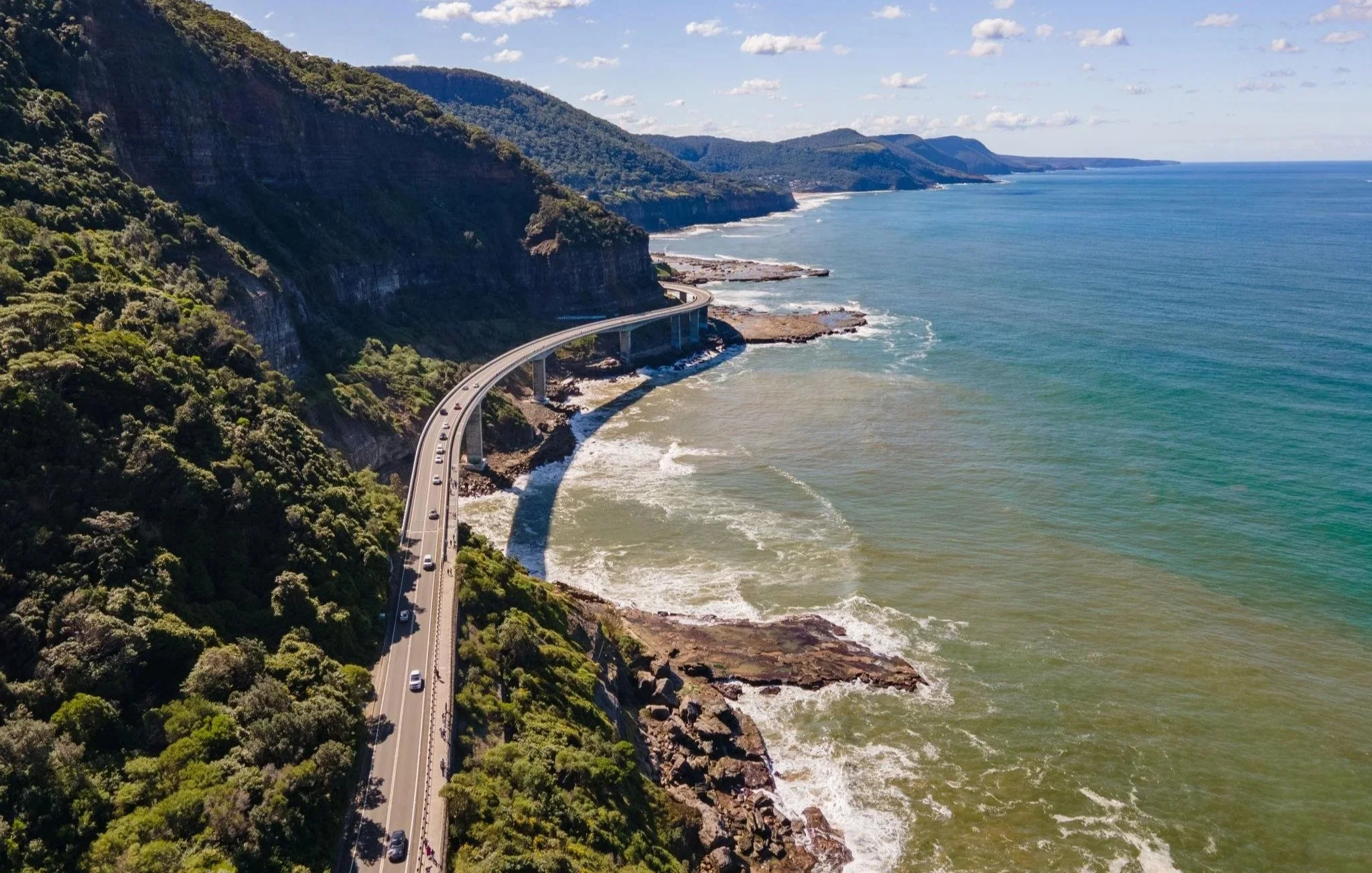
Bet one - Connect the whole journey
Simon Westaway’s focus on connectivity challenged destinations to think beyond their nearest airport and administrative boundaries. Newcastle, Canberra and Gold Coast airports all create opportunities to bring visitors into regional NSW.
But landing a visitor is only one part of the job. Flight schedules, fares, transfers, car hire and road connections influence where people travel next. So do the experiences available and how easily they can be booked.
For regional communities, these details determine whether a visitor passes through, stays overnight or adds another destination to their trip.
With $27.7 billion spent by visitors in regional NSW in the year ending June 2026, improving those connections has substantial economic significance.
Bet two - Back the businesses and people behind the growth
Margy Osmond’s contribution was the standout for us because it went directly to the conditions tourism needs to succeed.
“We are not a nice to have.”
In 2024-25, tourism contributed approximately $51.6 billion to NSW’s Gross State Product, including direct and indirect activity, and supported 346,800 filled jobs. That contribution reaches well beyond tourism operators into suppliers, services and local employment.
Margy contrasted the industry’s importance with what she described as tourism funding of around 1 per cent of the state budget. While economic contribution and budget allocations are different measures, the question she raised is one that shouldn’t be ignored - are we providing the investment and certainty needed to deliver our growth ambitions?
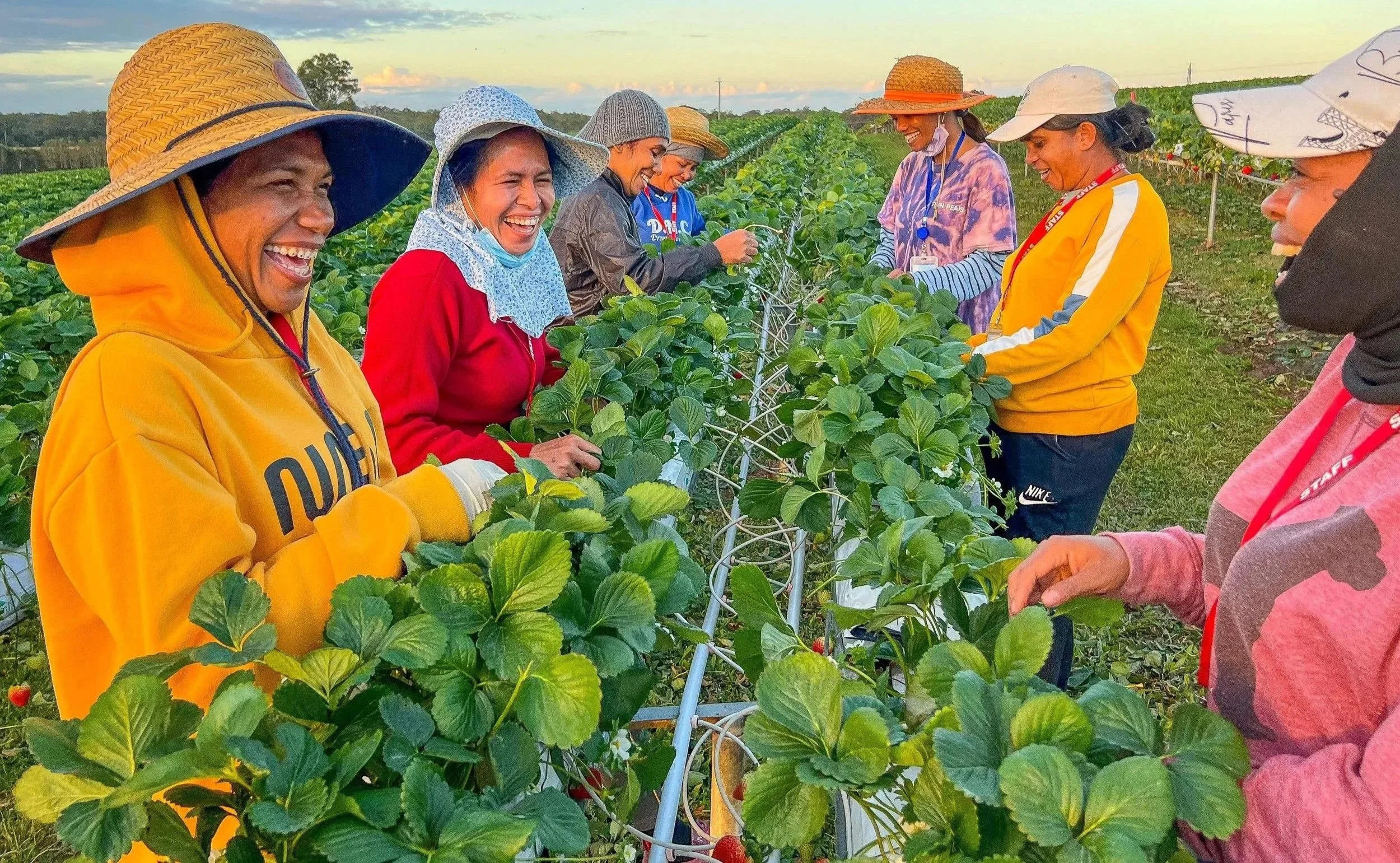
Her comments on backpackers made that question particularly tangible. Working holiday makers contribute through both their labour and their spending. They help businesses operate, then spend their earnings travelling, staying and participating in experiences. Across regional Australia, that connects tourism with agriculture, hospitality and the wider local economy.
Australia's proposed working holiday visa restrictions have raised concerns across the tourism and agricultural sectors. The original proposal would reduce second-year visa places from 57,000 to 45,000 and third-year places from 31,000 to just 5,000.
Margy cited Tourism and Transport Forum’s modelling suggesting these proposed second and third-year working holiday maker caps could put approximately $720 million in annual direct economic output at risk in NSW, excluding their tourism spending and wider flow-on effects.
The debate extends beyond tourism, with agriculture, hospitality and accommodation also relying on working holiday makers to fill seasonal workforce gaps. For regional communities, fewer workers can mean unharvested crops, reduced business hours and lost visitor spending. Those lost opportunities affect neighbouring businesses and the visitor’s impression of the destination. It highlights how migration policy decisions can have far-reaching consequences for our visitor economy, reinforcing why these decisions must consider the industries and communities that depend on them.
Bet three - Invest beyond opening day
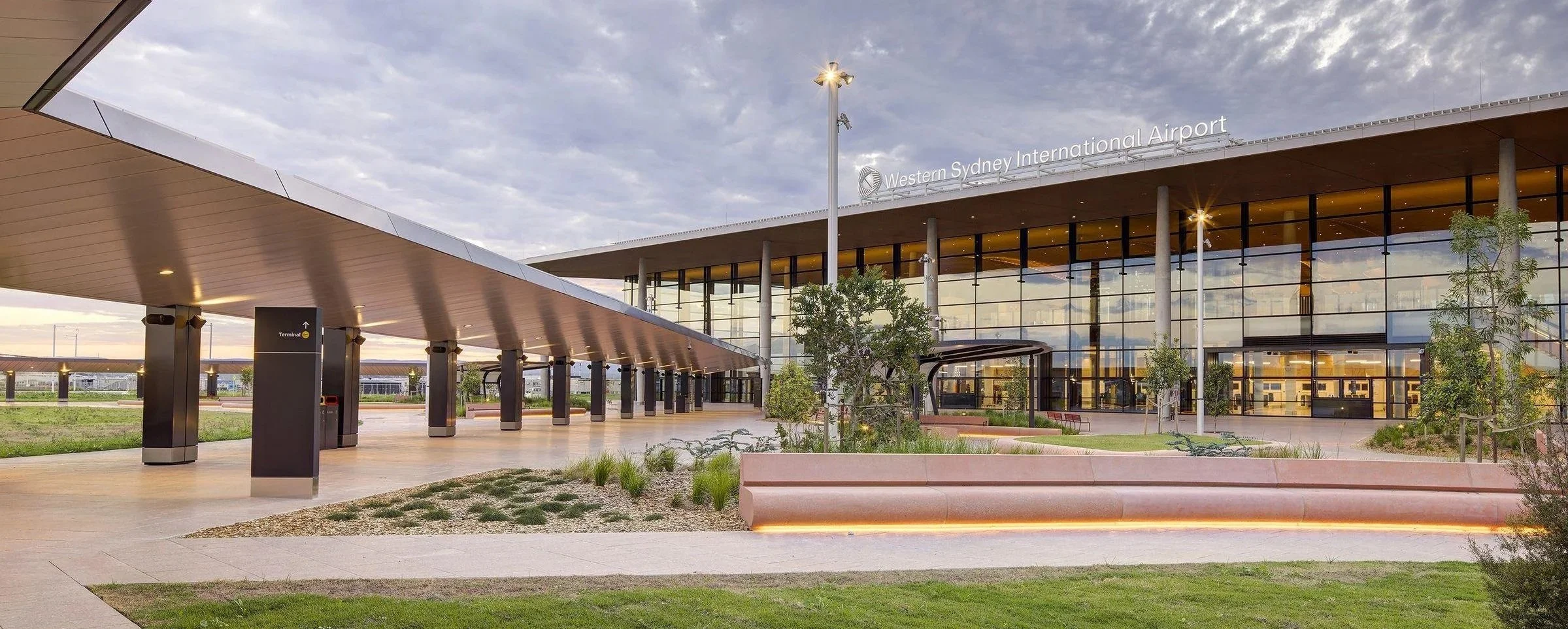
The Honourable Stuart Ayres’ focus on enabling infrastructure brought the conversation back to long-term commitment.
Major gateways, cultural institutions and venues can stimulate investment. Their ongoing value depends on the activity around them: experiences, events, transport connections and businesses that give people reasons to visit and stay.
For regional Australia, the supporting infrastructure deserves equal attention. Reliable roads, onward transport and digital connectivity help turn an appealing destination into a practical trip.
This also requires planning beyond construction. Who will activate the asset? How will local businesses participate? What will generate demand across the year?
What does this mean for your region and destination?
At Sparrowly Group we work with destinations and communities to identify opportunities for visitor economy growth. The discussion reinforced that realising these opportunities requires more than attracting visitors or investing in new infrastructure. Specifically three key takeaways if you are found justifying the existence of tourism and its impact to the economic and community:
Think beyond the visitor's arrival. Better connectivity creates opportunities, but destinations need the experiences, transport connections and partnerships to turn access into local economic benefits.
Consider the businesses behind the visitor experience. Growth depends on operators having the workforce, resources and confidence to deliver. Working holiday makers are a reminder that tourism workforce policy and visitor spending cannot be considered separately.
Connect investment with opportunity. Infrastructure, destination development and promotion need to work together to stimulate demand, support local businesses and encourage private investment.
Ultimately, the three big bets point to one shared challenge - ensuring the conditions for growth are as strong as our ambitions.
Because growing the visitor economy isn't just about getting more people through the door. It's about making sure the people, businesses and communities on the other side are ready to benefit.