From closing to opening the gate - a balanced perspective on agritourism development.
Agritourism is often packaged as a simple idea - open the farm gate, welcome visitors, and create a new income stream. Recently I watched a balanced and lively panel hosted by Destination Riverina Murray and Kate Shilling of Tourism Australia.
Bringing together voices from across farming, tourism, and regional development, the discussion explored what really happens when agriculture meets tourism. The reality… it’s far more nuanced.
Setting the Scene. Two Sides of the Same Paddock.
The debate opened with contrasting perspectives, grounded in real experience.
Dana Ronan, representing the negative side, brought the “risk” side to life with a vivid and humorous story of a farming family stepping into tourism. Her narrative captured the unexpected shifts. From renovating farm stays to managing guests wandering the property.
The message landed clearly:
“When the farm starts serving guests more than the land… is that diversification, or a second unpaid job getting out of hand?”
The Promise. A Strategic Opportunity for Farmers.
On the affirmative side, the case was made for agritourism as a smart, strategic move. Farming is shaped by variables beyond control. Rainfall, commodity prices, global markets. Agritourism gives farmers something rare:
control over pricing
control over their story
direct connection with customers.
It also plays a powerful regional role. As Marc Sleeman, CEO of Grampians Wimmera Mallee Tourism shared, “agritourism draws visitors beyond major routes and into smaller communities driving real economic impact across entire regions.”
When done well, it doesn’t just benefit a farm, it strengthens the broader visitor economy.
The Reality Check. Learning the Hard Way.
From the grassroots perspective, Sam Brewer, Director and Head Winemaker at Yarran Wines in Griffith, shared an honest account of entering tourism without a background in hospitality.
His takeaway? It’s not easy.
Customer expectations are complex
Service requires a completely different skillset
It can take years to get right
“Five, maybe ten years in and you’re still learning every day.” From dietary requests to guest experience design, the “front end” of tourism brings challenges many farmers don’t anticipate.
A Deeper Impact. More Than Just Income.
For Nick Heffernan, owner of The Silos Accommodation in Junee, agritourism is about far more than revenue. Nick Heffernan, a fifth-generation farmer, described how tourism has reshaped both his business and his perspective.
It has allowed him to:
reduce pressure on the land
build a more stable income stream
connect directly with people from around the world
“We talk about bridging the gap between the city and the bush. This is exactly how it happens.” He also highlighted something often overlooked - mental health. Agritourism brings connection into what can otherwise be an isolating profession.
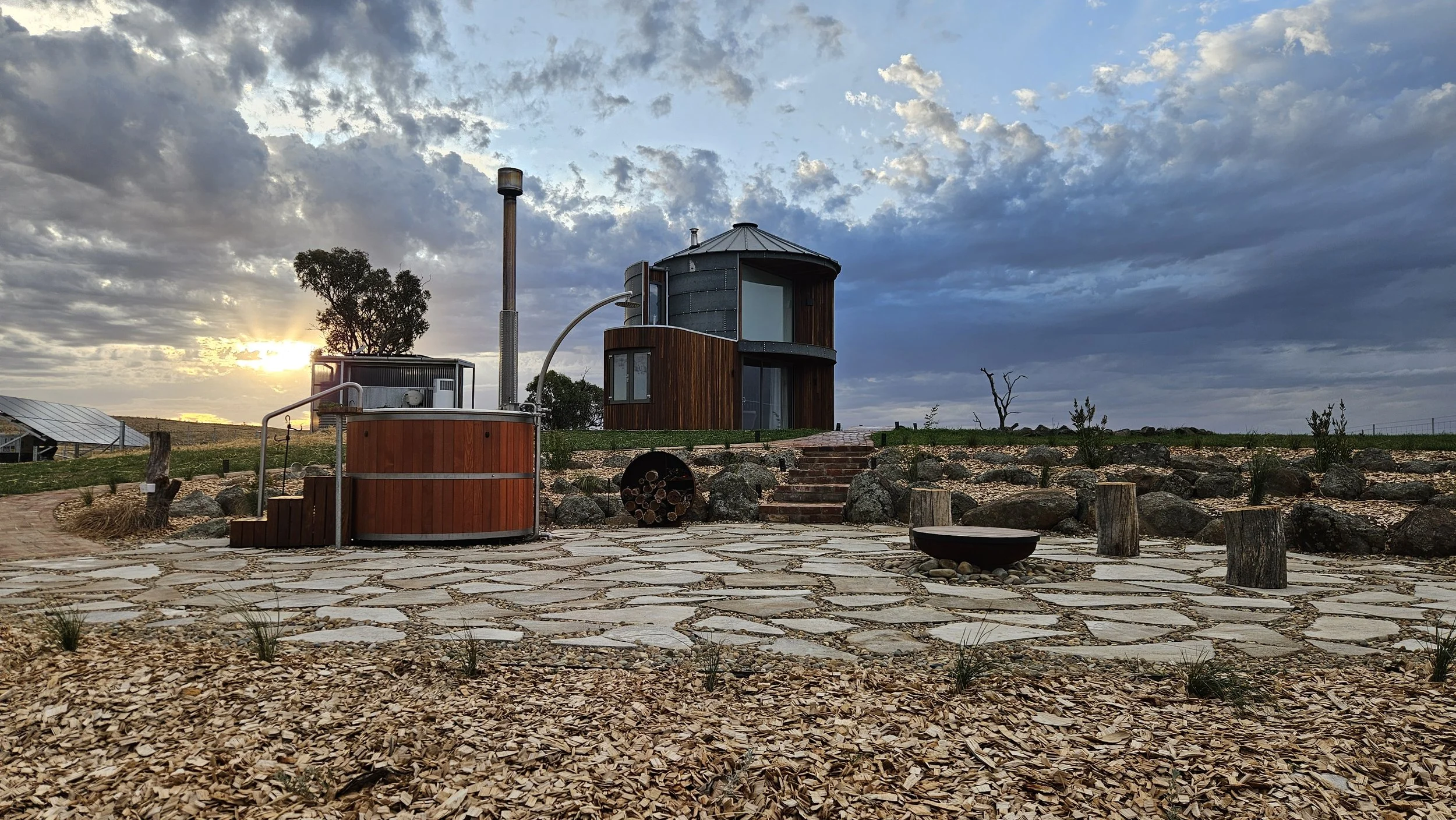
The Silos Accommodation - Junee, NSW
The Risks. What Farmers Need to Consider.
Robbie Sefton AM, a highly respected agricultural leader brought a practical lens to the discussion. She outlined the key risks farmers must consider before entering agritourism:
Community Impact - tourism can change the dynamics of rural communities with more traffic, unfamiliar visitors, and increased pressure on local infrastructure.
Understanding the Customer - farmers are experts in land and livestock, but tourism requires understanding people, expectations, and experiences.
Safety and Compliance - from dams and machinery to animals and weather, farms present real risks that must be managed carefully.
Financial Reality - tourism income can be seasonal and inconsistent, while costs insurance, staffing, maintenance remain constant.
“Farming is hard. Tourism is also hard, but in completely different ways.”
The Opportunity. Turning the Everyday into Experience.
Jenny Robb, Industry Development Manager for Destination Southern NSW, reframed the conversation with a powerful insight - “Your ordinary is someone else’s extraordinary.”
What feels routine to a farmer - feeding animals, harvesting crops, daily operations, can be deeply engaging for visitors. Agritourism becomes:
education by stealth
a way to reconnect people with food and farming
a platform to showcase the strength of Australian agriculture.
She also pointed to real-world success stories from alpaca farms to oyster trails where communities have embraced agritourism and thrived.
So… Is Agritourism Worth It?
By the end of the discussion, one thing was clear - agritourism is both a risk and an opportunity. It’s not for every farmer and it’s not a quick win. But for those who approach it with planning, passion, and the right support, it can be transformative.
Final Word from Giovanna Lever from Sparrowly Group and Global winner of the 2026 World Agritourism Awards.
Agritourism isn’t about turning farms into something they’re not. It’s about unlocking more value from what they already are. In an industry defined by uncertainty, it offers farmers a rare advantage.
“It’s the ability to take back some control and shape their own future.”
If you’re interested in exploring how to diversify and expand your agribusiness into agritourism and value adding read more here, reach out directly at giovanna@sparrowly.com